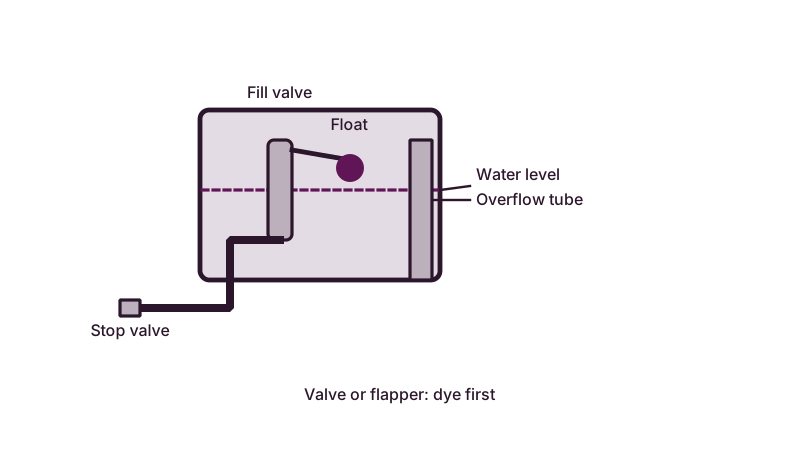
Short answer: Fixr's guide lands between $60 and $150 for a plumber-installed fill valve, with materials about $15 to $65 and labor about $45 to $135. Local quotes can run higher. A spread like that is why a written quote matters. Other toilet jobs sit on the toilet repair page.
Where does the money go on this job?
Fixr settles on $60 to $150 for part and visit together. Of that, materials run about $15 to $65 and plumber labor about $45 to $135. Other guides differ, and shops price by flat rate or by the hour, which is why the written quote is what counts.
Why the spread? Pricing habits differ: some shops charge a flat rate per toilet repair, some a one-hour minimum, others a trip fee plus time. Fixr's plumber hourly rates span roughly $45 to $200. The pieces look like this.
| Piece of the bill | Guide range |
|---|---|
| Materials, including the valve | About $15 to $65 |
| Labor | About $45 to $135 |
| Typical all-in total | About $60 to $150 |
| After-hours or emergency add-on | Roughly $100 to $300 more |
| Toilet removed to reach the tank | About $25 to $100 more |
Treat the table as published guide data, not a Torrance quote. What you actually pay is the figure in the plumber's written quote.
How many minutes does it take?
Guides put it at 20 to 30 minutes for a plumber, stretching to nearly two hours with a stubborn tank or a corroded stop. Because it is so quick, many shops use a flat fee, and the visit charge ends up being a large slice of the total.
The routine is easy: turn off the stop, bail out the tank, unscrew the old valve, set the new one to the correct height, reattach the supply, adjust the float and test. Delays come from a stop that will not seal, a corroded supply line, or tank hardware that also needs attention.
What makes the cost higher or lower?
Four factors: flat-rate versus hourly pricing, how easy the toilet is to reach, the state of the stop valve and supply hose, and whatever else is wrong. Pairing a flapper with the fill valve usually beats paying for two visits. A stop that must be replaced raises the bill.
Expect extra charges when the job is after hours, when a stuck shutoff valve needs replacing, or when the toilet has a premium valve. Local factors matter less than the shop's pricing. In the South Bay, older homes may have old multi-turn valves that seize, and that can turn a quick job into a longer one.
Find out whether the figure covers the part, the trip, a test flush and cleanup, and what else might turn up. A plain list of inclusions is what makes two quotes comparable.
Which part is to blame, valve or flapper?
Valve trouble sounds like a persistent hiss after filling, or looks like the level creeping up the standpipe, or a tank that fills slowly, noisily or only partway. A leaky flapper can mimic it, so test both before buying parts.
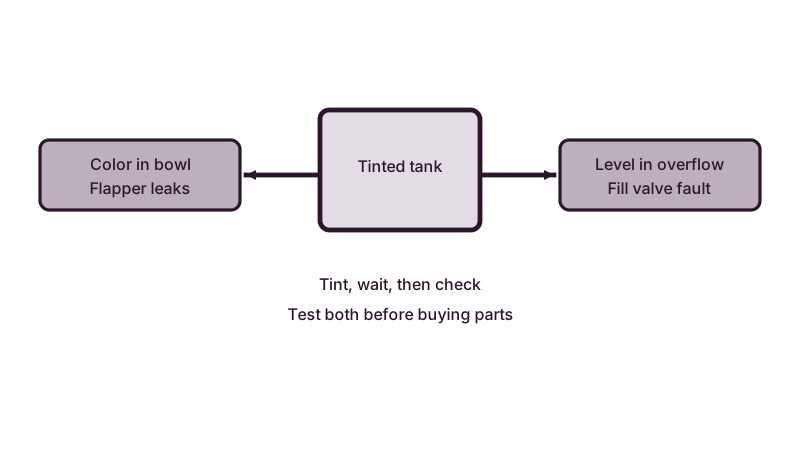
Dye settles it. Tint the tank, skip flushing for fifteen minutes, and check the bowl: color there means the flapper. A level that spills into the standpipe means the valve. The page on fill valve repair takes the diagnosis further, and a toilet that keeps cycling lists other causes.
Per the EPA, household leaks run past 9,300 gallons yearly, and a running toilet is a common source, so even a cheap repair can pay for itself.
Is this a sensible do-it-yourself repair?
For anyone handy with basic tools, yes. A universal valve is an inexpensive part and the work fits in an hour for most beginners. Follow the package instructions. Beginners tend to over-tighten plastic nuts and set the float too high.
Pay for a visit when the stop refuses to close, the supply hose is corroded, the tank shows hairline cracks, or you simply prefer not to. Worn parts can be done in one trip, so read about flapper repair and the loose handle that will not flush first.
A whole new toilet is priced separately in replacing a toilet. A visit can be requested through the quote form.
Common questions
Would a new toilet be cheaper than a new valve?
Not usually. A fill valve is a $60 to $150 repair in Fixr's guide, while a new toilet and installation cost several times that. Replace the toilet when it is cracked, leaks at the base, or is badly worn. For a running or slow-filling tank, the valve is the right first fix.
What should a fair quote list?
It should list the part, labor, any trip or after-hours fee, and what happens if the shutoff valve or supply line also has to be replaced. Ask whether a test of the flush is included. If a company quotes a price only on arrival, ask for the flat-rate number first.
Does anyone need to be present?
Yes, an adult, long enough to point out the toilet and stop valve and approve extras. The visit is short, but the tank has to be reachable, so clear the floor and say whether the toilet runs or hisses, which saves diagnosis time.
How do I judge whether a price is fair?
Compare it with the ranges above and collect a couple of written quotes. For a simple valve, a fair price is in the low hundreds at most. Be wary of a very high figure with no explanation, and of a very low one that grows through added fees.
How long does a fill valve last?
No fixed lifespan applies. Mineral buildup and aging rubber wear them out, and hard water speeds it up. Replace the valve when the toilet runs, hisses or fills slowly, or when the float no longer shuts the water off properly, whatever its age.
This guide is one of many on plumber torrance.
Sources used
Last updated